Boost Your Sales: The Impact of Website Speed and How to Improve It


The Importance of Website Speed
In today's fast-paced digital world, website speed is more crucial than ever. A slow-loading website can drastically impact user experience, leading to increased bounce rates and lower conversion rates. In contrast, a fast and responsive site can enhance user satisfaction and significantly boost sales. Understanding the importance of website speed is the first step toward optimizing it for better performance and increased revenue.
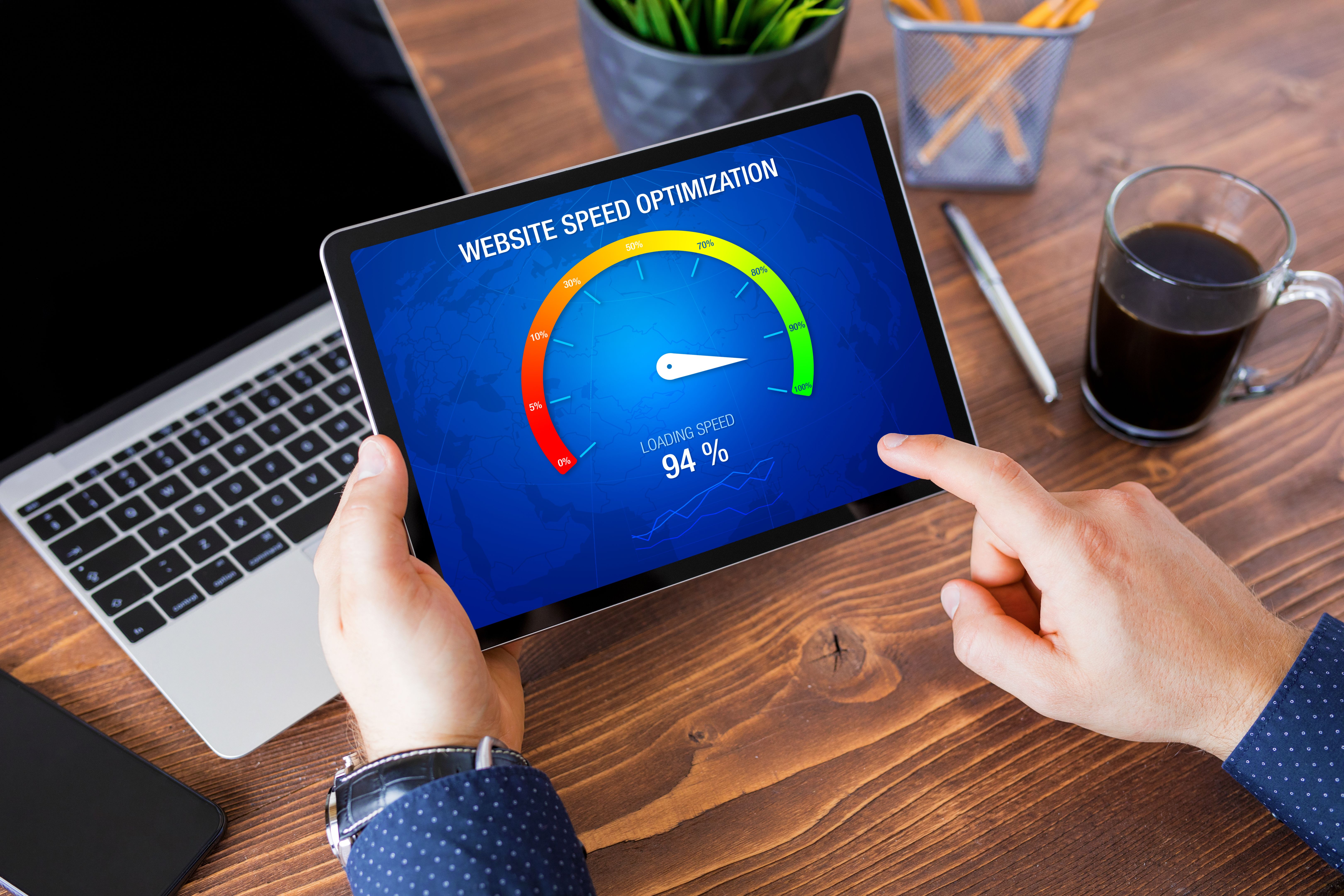
Studies show that nearly half of consumers expect a web page to load in two seconds or less. If your website takes longer, you risk losing potential customers to competitors. A delay of even one second can result in a 7% reduction in conversions. Therefore, prioritizing website speed is not just about improving user experience; it's a critical factor in maximizing sales and growing your business.
Factors Affecting Website Speed
Several factors can influence your website's speed. Some common culprits include large image files, excessive HTTP requests, and inefficient coding practices. By identifying these elements, you can take actionable steps to enhance your site's performance.
One major factor is server response time. If your server takes too long to respond, it can significantly slow down your entire website. Additionally, poorly optimized images can be a major drain on resources, causing pages to load slowly. Addressing these issues can lead to noticeable improvements in speed and, consequently, customer satisfaction.

Optimizing Images for Faster Load Times
Images often account for the majority of a webpage's loading time. Optimizing images is essential for improving website speed. Here are some tips to ensure your images are web-ready:
- Compress images without losing quality using tools like TinyPNG or JPEGmini.
- Choose the right format—use JPEGs for photographs and PNGs for graphics with fewer colors.
- Lazy load images to ensure only those visible on the user's screen are loaded initially.
Reducing HTTP Requests
Every element on a webpage—images, scripts, stylesheets—requires an HTTP request. The more requests your site makes, the slower it loads. Reducing these requests can drastically improve speed.
Consider combining CSS and JavaScript files to reduce the number of requests. Minifying these files can also help reduce loading times by removing unnecessary characters and spaces. Additionally, using a content delivery network (CDN) can distribute content across multiple servers, reducing the load time for users across different geographical locations.

Regularly Monitor Your Website's Performance
Consistently monitoring your website's performance is crucial for maintaining optimal speed. Use tools like Google PageSpeed Insights or GTmetrix to analyze your site's speed and identify areas for improvement. These tools provide detailed reports and actionable recommendations to help you enhance your website's performance.
Incorporating regular speed tests into your maintenance routine can help you catch potential issues before they affect user experience. By staying proactive, you can ensure your website remains fast, responsive, and capable of driving sales effectively.
Conclusion
Website speed is a critical factor in determining your site's success. By optimizing images, reducing HTTP requests, and regularly monitoring performance, you can create a fast and efficient website that enhances user experience and boosts sales. Don't underestimate the power of speed—invest in it today and watch your sales soar.